Choosing the right rice can make a big difference in your meals. High-quality rice not only tastes better but is more nutritious and easier to cook perfectly. But with so many options in stores, it’s easy to get confused. Many people struggle to tell good rice from the rest. Bengal Crown, a trusted name in premium rice, offers expert tips to help you spot the best. Let’s explore how you can identify top-quality rice with these simple, practical guidelines.
Understanding the Basics of Rice Quality
What Defines Good Quality Rice?
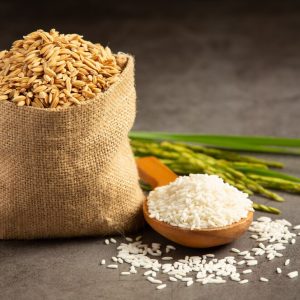
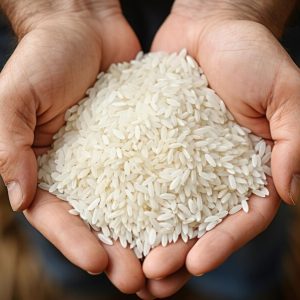
Good rice looks appealing from the moment you see it. Bright, uniform grains indicate careful harvesting and processing. The grains should be intact, smooth, and not broken. They should feel firm but not hard to the touch and have a clean, fresh smell. Purity matters too—good quality rice is free from dirt, stones, or foreign particles. Nutritional value is important if you’re health-conscious; whole grains like brown rice retain more nutrients, making them more nutritious than processed white rice.
Types of Rice and Their Quality Indicators
Different rice types have unique markers of quality:
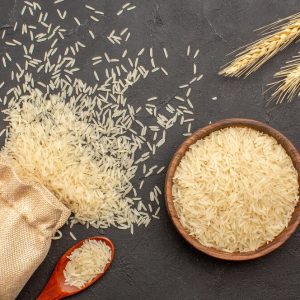
Long-grain rice (like basmati or jasmine) should be slender, with a clear, shiny appearance.
Medium and short-grain rice tend to be plumper and rounder, often sticky when cooked.
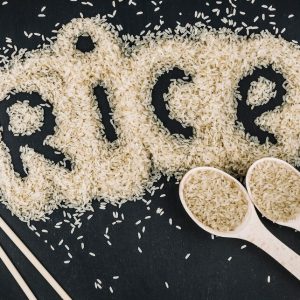
Specialty rice such as basmati and jasmine is valued for aroma and texture, while brown rice should be unpolished with a natural, earthy look. Each type has specific quality signs, which matter depending on your culinary needs.
The Impact of Rice Processing Methods
The way rice is processed affects how it looks, tastes, and stays fresh. Polished rice has the husk, bran, and germ removed, giving it a shiny, white appearance. Unpolished or brown rice retains its natural layers, offering more nutrients but a different texture. Proper milling must be careful to avoid breaking grains, which reduces quality. Over-milled rice loses vital nutrients and can turn mushy when cooked.
Visual Inspection: Key Characteristics of High-Quality Rice
Grain Size and Shape
Check for grains that are uniform in size and shape. Consistent grains show proper harvesting and processing. If you notice many irregular or broken grains, that’s a red flag. High-quality rice is often sorted carefully to ensure batch consistency.
Color and Luster
Premium rice should have a natural, translucent look. Brightness and a slight sheen are signs of freshness. For example, jasmine rice should appear shiny and clear, indicating it’s fresh and well-maintained. Dull or discolored grains may be old or poorly stored.
Cleanliness and Purity
Good rice is free from debris, stones, and broken grains. Foreign particles or multiple broken pieces reveal sloppy cleaning. Also, look for rice free of dust or dirt, which can affect taste and health.
Sensory Evaluation: Aroma, Texture, and Cooking Performance
Aroma
Fresh aromatic rice like basmati or jasmine should smell fragrant straight out of the package. A strong, pleasant aroma indicates quality. Off-smells or musty odors are signs of improper storage or spoilage.
Texture and Stickiness
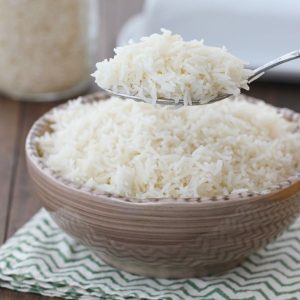
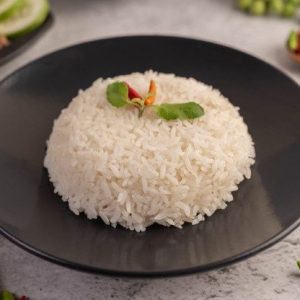
Cooked rice should match its type. For long-grain, expect fluffy, separate grains. For sticky rice, it should hold together well but not be gluey. Resilient grains that break open cleanly show good quality. Test small portions to see if the rice is tender yet firm and moist.
Cooking Testing
Always do a small cook test before buying in bulk. Observe if the rice expands evenly, retains shape, and doesn’t turn mushy. High-quality rice cooks uniformly for a perfect result every time.
Laboratory and Quality Certification Indicators
Standards and Certifications
Look for recognized quality certifications like ISO or regional standards such as India’s APEDA marks. These labels indicate thorough testing and adherence to safety rules. Buying rice with these certifications ensures highest quality.
Testing for Contaminants
Good rice must be free from pesticides, heavy metals, and adulterants. Certified labs offer testing services to verify these standards. Always choose brands like Bengal Crown that prioritize safety and quality assurance.
Nutritional Content Verification
Check nutritional labels for added nutrients or enrichment. For health-conscious buyers, rice enriched with vitamins or minerals can boost your diet. Compare labels to find options that suit your nutritional needs.
Practical Tips for Consumers
Buying from Reputable Suppliers
Purchasing from trusted brands like Bengal Crown guarantees consistency. Evaluate vendors based on their reputation, reviews, and product quality. Avoid cheap, unknown sources which might sell substandard rice.
Proper Storage to Maintain Rice Quality
Store rice in a cool, dry place, away from sunlight. Use airtight containers to keep moisture and pests out. Regularly check for signs of spoilage like musty smell or tiny insects before cooking.
Cooking Tips for Optimal Quality
Rinse rice thoroughly to remove excess starch. Soaking certain types like basmati can improve texture. Follow specific cooking times and water ratios for each rice type. Fluff the rice gently after cooking to preserve its appearance and flavor.
Conclusion
Choosing good quality rice comes down to understanding what to look for. Visual cues like grain uniformity and shine, sensory factors such as aroma and texture, plus certifications all matter. Brands like Bengal Crown stand out because they follow strict quality standards, giving you confidence in every bag. By applying these tips, you can pick rice that elevates your meals, benefits your health, and provides consistent results. Start looking at your rice with fresh eyes and enjoy better cooking every time.